
Enjoy immediate, durable tooth replacement with advanced basal implant technology.
If you need immediate dental Assistance, please contact us immediately. We’ll do our best to see you as soon as possible.
+12 3456 7890
Visit us during our working hours and let our experienced team take care of your smile.
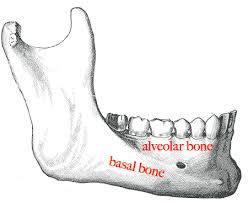
Basal implants, also known as traditional implants, are a type of dental implant that derive their support from the basal (cortical) bone—the strong, dense bone found in the deeper layers of the jaw. This makes them especially suitable for patients with low bone density or those who have experienced bone loss.
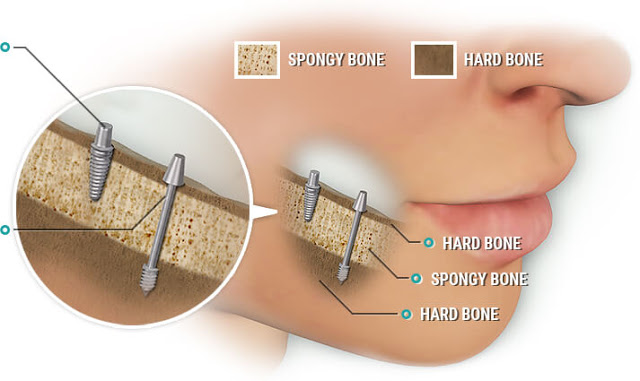
Basal implants are uniquely designed to anchor into the basal bone, which is the strong, dense part of the jawbone. These implants are typically longer in structure and are ideal for patients with limited bone height or density.
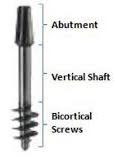
They are single-piece implants, meaning the implant and abutment are fused together, offering excellent stability and retention. Basal implants are especially effective in cases where traditional implants may not be feasible without bone grafting.
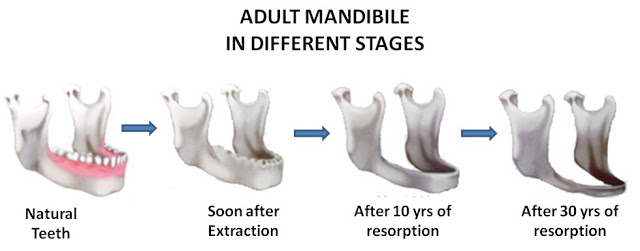
If missing teeth are not replaced immediately after extraction, the surrounding alveolar bone (the bone that supports your teeth) begins to resorb over time, leading to bone loss. However, even if the alveolar bone has resorbed, the basal bone—also known as cortical bone—typically remains intact.
Basal bone is the strongest and most stable part of the jawbone, making it ideal for implant support. In such cases, basal implants are recommended. The quantity and quality of this bone are assessed using diagnostic tools such as OPG or CBCT scans.
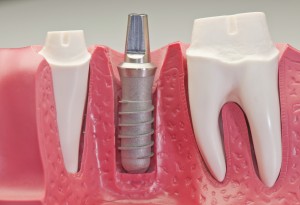
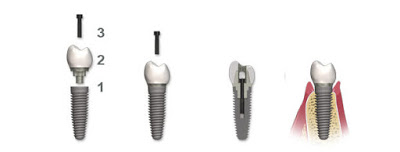
Conventional dental implants are placed into the alveolar bone, which is a spongy, less dense bone layer located above the basal bone. These implants are typically two-piece systems, consisting of:
Conventional implants rely heavily on the quality and volume of alveolar bone, and may require bone grafting in cases of significant bone loss.
Tell us how we can help. Our care team will call you to confirm the most suitable appointment time.